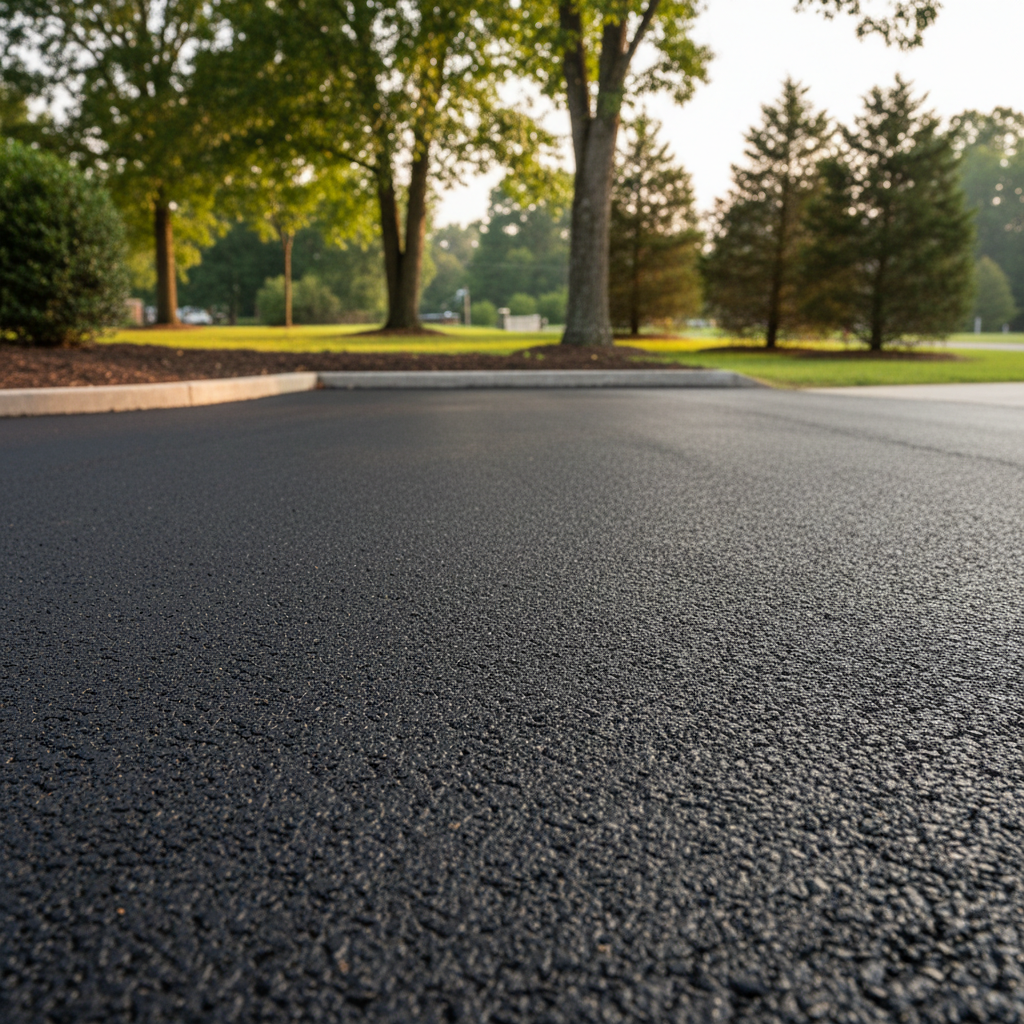
Thinking About a Home Parking Lot? Here's the Deal.
So, you're looking to put in a parking lot or a bigger parking area at your house. Maybe you've got a growing family with more cars, or you just want a dedicated spot for that RV or boat. Whatever the reason, paving a parking lot isn't quite the same as just patching a driveway. It's a bigger job, and you need to know what you're getting into before you start digging.
I've seen a lot of folks try to tackle this themselves, and sometimes it works out, sometimes it doesn't. My goal here is to give you the straight talk on what you can realistically do and when it's really time to pick up the phone and call a professional like us at Premium Asphalt Paving.
Before You Even Think About Dirt Work
Planning is everything. Seriously. Don't skip this part.
- Check Local Codes and Permits: This is step one, no exceptions. Tuscaloosa County has rules about impervious surfaces, setbacks, and drainage. You don't want to lay down a beautiful new parking lot only to find out you have to tear it up because you didn't get a permit. It's a headache you can easily avoid.
- Drainage, Drainage, Drainage: I can't stress this enough. Our Alabama weather means we get some serious downpours. If your parking lot doesn't drain right, you'll have standing water, which leads to cracks, potholes, and a generally miserable experience. Think about where the water will go. Will it run off into your neighbor's yard? Into your foundation? You need a plan for positive drainage away from structures. This often means a slight slope, which can be tricky to get right without proper equipment.
- Subgrade Prep is Key: Underneath that asphalt or concrete, you've got soil. And here in Tuscaloosa, we've got some pretty expansive clay soils in places, especially north of the river. If your subgrade isn't properly compacted and stable, your new parking lot is going to fail, no matter how good the top layer is. You'll see cracking, settling, and heaving. This is where a lot of DIYers run into trouble because it requires heavy equipment and an understanding of soil mechanics.
- Budget Realistically: Get quotes. Understand the cost of materials, labor, and equipment rental. A parking lot isn't a cheap project, but a well-done one adds significant value and convenience to your home.
What You Can DIY (and What You Probably Shouldn't)
Alright, let's talk about where you can get your hands dirty and where it's smarter to let the pros handle it.
DIY-Friendly Tasks:
- Clearing the Area: If it's just clearing brush, small trees, or debris, you can definitely do that yourself. Rent a bobcat or just get out there with a chainsaw and some elbow grease.
- Basic Layout and Marking: You can use stakes and string to mark out the dimensions of your parking lot. Just make sure it's accurate.
- Minor Excavation (if you're careful): For very small, shallow areas, you might be able to do some digging yourself. But be warned, digging too deep or unevenly can create more problems than it solves.
- Edge Definition: If you're planning on using landscape timbers or concrete curbing around the perimeter, you can often install those yourself after the main paving is done, or even before if it's a simple border.
When to Call a Pro (Seriously, Call Us):
- Significant Excavation and Grading: This isn't just digging a hole. It's about creating a stable, properly sloped base. You need heavy machinery like excavators, bulldozers, and graders, plus the skill to operate them to precise specifications. Getting the grade wrong means drainage issues and an unstable surface.
- Subgrade Compaction: After excavation, the soil needs to be compacted to a specific density. This requires vibratory rollers or plate compactors that most homeowners don't have or know how to use effectively. If this isn't done right, your asphalt will sink and crack.
- Base Layer Installation: This is typically a layer of crushed aggregate (like limestone or gravel) that provides structural support. It needs to be spread evenly, graded, and compacted. Again, heavy equipment and expertise are crucial here.
- Asphalt Paving: Laying asphalt is a specialized job. It requires hot asphalt, which is dangerous to work with, and specialized paving machines to spread it evenly and compact it quickly before it cools. Trying to do this by hand almost always results in an uneven, lumpy, and short-lived surface. You'll end up with a mess, and it'll cost you more to fix it than if you'd just hired Premium Asphalt Paving in the first place.
- Concrete Paving: Similar to asphalt, pouring and finishing a large concrete slab for a parking lot requires experience, the right tools (screeds, power trowels), and a crew to work quickly before the concrete sets.
After the Paving is Done
Once your new parking lot is in, you're not entirely off the hook. Regular maintenance will extend its life and keep it looking good.
- Give it Time to Cure: Especially with asphalt, don't drive heavy vehicles on it immediately. Your contractor will tell you how long to wait.
- Clean Regularly: Sweep off dirt, leaves, and debris. This prevents organic matter from breaking down on the surface and causing issues.
- Sealcoating (for Asphalt): This is like sunscreen for your asphalt. It protects it from UV rays, water, and chemicals. You'll want to do this every few years.
- Crack Sealing: If you see small cracks appear, seal them promptly. Water is the enemy of pavement, and sealing cracks prevents it from getting underneath and causing bigger problems.
Look, I get it. You want to save a buck. But some jobs are just too big, too complex, or too critical to your home's value to cut corners. A well-built parking lot is a long-term investment. If you're unsure about any part of the process, or if you just want it done right the first time, give us a call. We're here to help folks in Tuscaloosa get durable, good-looking pavement that lasts.