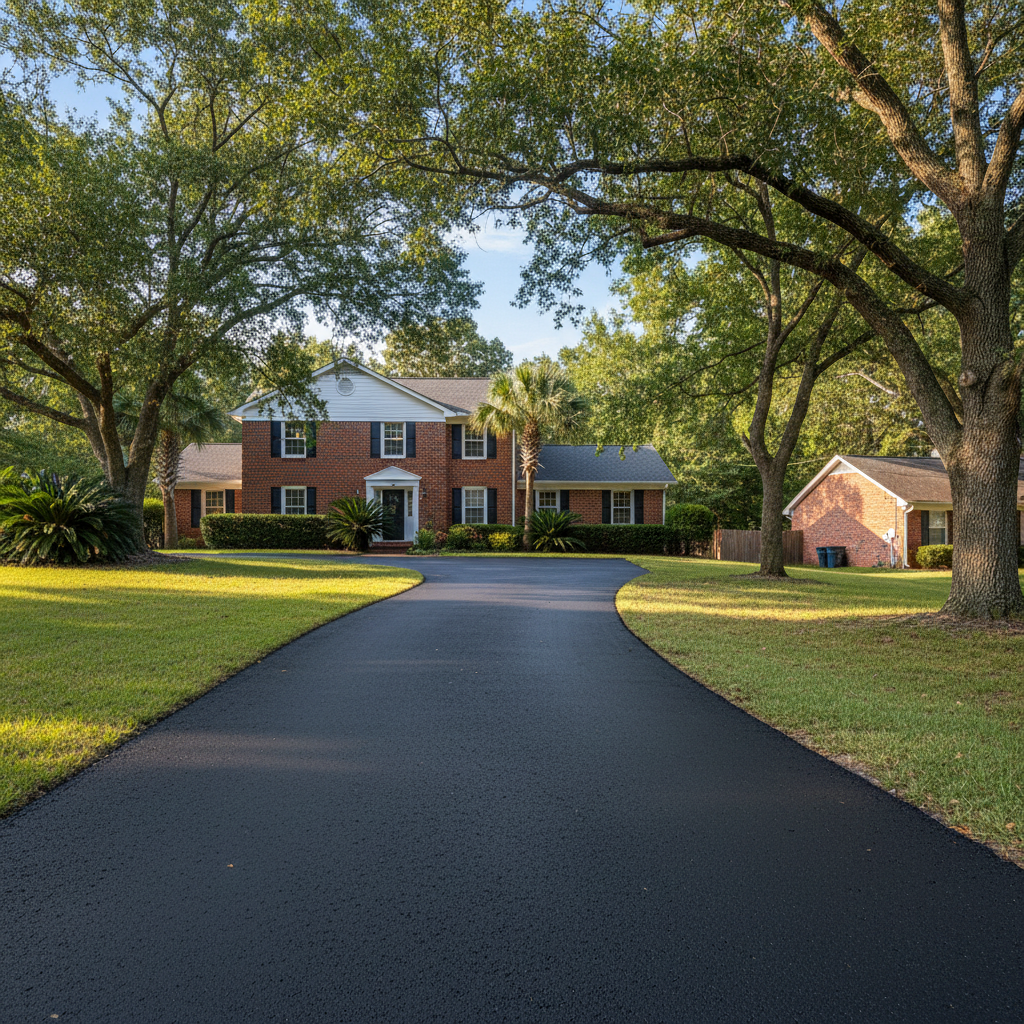
Alright, let's talk driveways. You've just invested in a nice, smooth asphalt surface for your home, or maybe you've had one for a while and you're wondering how to keep it looking good and lasting long. It's not rocket science, but there are definitely things you should be doing, especially with our Alabama weather trying its best to beat everything up.
Extending Your Driveway's Life: It's All About Protection
Think of your asphalt like your skin – it needs protection from the elements. The biggest thing you can do to extend the life of your asphalt driveway is sealcoating. I recommend getting it done within the first year after installation, then every two to three years after that. What sealcoating does is put a protective layer over the asphalt. It blocks UV rays from the sun, which can really dry out and crack the asphalt binders, and it helps repel water and chemicals like oil or gas spills.
Another big one is proper drainage. If water sits on your driveway, it's going to find its way into every tiny crack and crevice. When winter rolls around, even if we don't get super cold often, those freeze-thaw cycles can wreak havoc. That water freezes, expands, and then thaws, making those tiny cracks into big problems. Make sure your gutters aren't dumping water directly onto the driveway and that any low spots are addressed. Sometimes, it's as simple as sweeping away debris that's blocking water flow.
Regular Maintenance: Small Steps, Big Results
Regular maintenance isn't a huge chore, but it makes a world of difference. Here's what you should be doing:
- Keep it clean: Sweep off leaves, dirt, and debris regularly. This prevents organic matter from breaking down and staining the surface, and it stops water from pooling.
- Deal with spills immediately: Oil, gas, and other automotive fluids are asphalt's enemy. They break down the binders in the asphalt. If you spill something, clean it up with an absorbent material like cat litter or sand, then scrub with a mild detergent and rinse. Don't let it sit.
- Trim back vegetation: Tree roots and weeds can grow through asphalt. Keep the edges of your driveway clear of plants. If you see weeds popping up through cracks, pull them or treat them.
- Avoid heavy loads: Try not to park heavy equipment or RVs on your residential driveway for extended periods. The weight can cause depressions or cracks over time, especially in hotter weather when the asphalt is softer.
We've done a lot of driveways for folks in neighborhoods like Indian Hills and Forest Lake, and the ones that look best after years are always the ones where the homeowners took these simple steps.
Warning Signs: What to Look For
Your driveway will tell you when it's having problems, you just need to know what to listen for. Here are some common warning signs:
- Cracks: Small, hairline cracks are normal over time, but if they start to widen or connect, that's a problem. Alligator cracking (a series of interconnected cracks resembling an alligator's skin) means the base layer is failing, and you're looking at a bigger repair.
- Potholes: These are usually the result of cracks that weren't sealed, allowing water to get in and erode the base. Once you see a pothole, it's only going to get bigger.
- Fading or dullness: If your asphalt is losing its dark black color and looking gray, that's a sign the sun is baking out the oils, and it's time for a sealcoat.
- Pooling water: After a good rain, if you have puddles that don't drain away within a few hours, you've got a drainage issue or a depression forming.
- Soft spots: If parts of your driveway feel soft or spongy when you walk or drive over them, it could indicate a problem with the sub-base or water intrusion.
When to Call a Professional
Look, some things you can handle yourself, like sweeping or cleaning up a spill. But for bigger issues, it's best to call someone who knows what they're doing. You should definitely call Premium Asphalt Paving if you see:
- Widespread cracking or alligator cracking: This isn't a DIY fix. It means the structural integrity is compromised.
- Significant potholes: While you can patch small ones, large or numerous potholes need professional attention to ensure a lasting repair.
- Drainage problems: If water is consistently pooling, we can assess the grading and recommend solutions, whether it's a simple fix or something more involved.
- Major depressions or upheavals: These often point to issues with the sub-base or even tree roots, which require specialized equipment and knowledge to fix correctly.
- If it's just time for a sealcoat: While some folks try to DIY sealcoating, getting an even, proper application that lasts is tougher than it looks. We've got the right materials and equipment to do it right, protecting your investment for years.
Don't wait until a small crack turns into a major headache. Catching these problems early can save you a lot of money and extend the life of your driveway significantly. We're here in Tuscaloosa, and we've seen it all, from the red clay expanding and contracting under driveways to the summer heat beating down. Give us a call if you've got questions or need a hand.