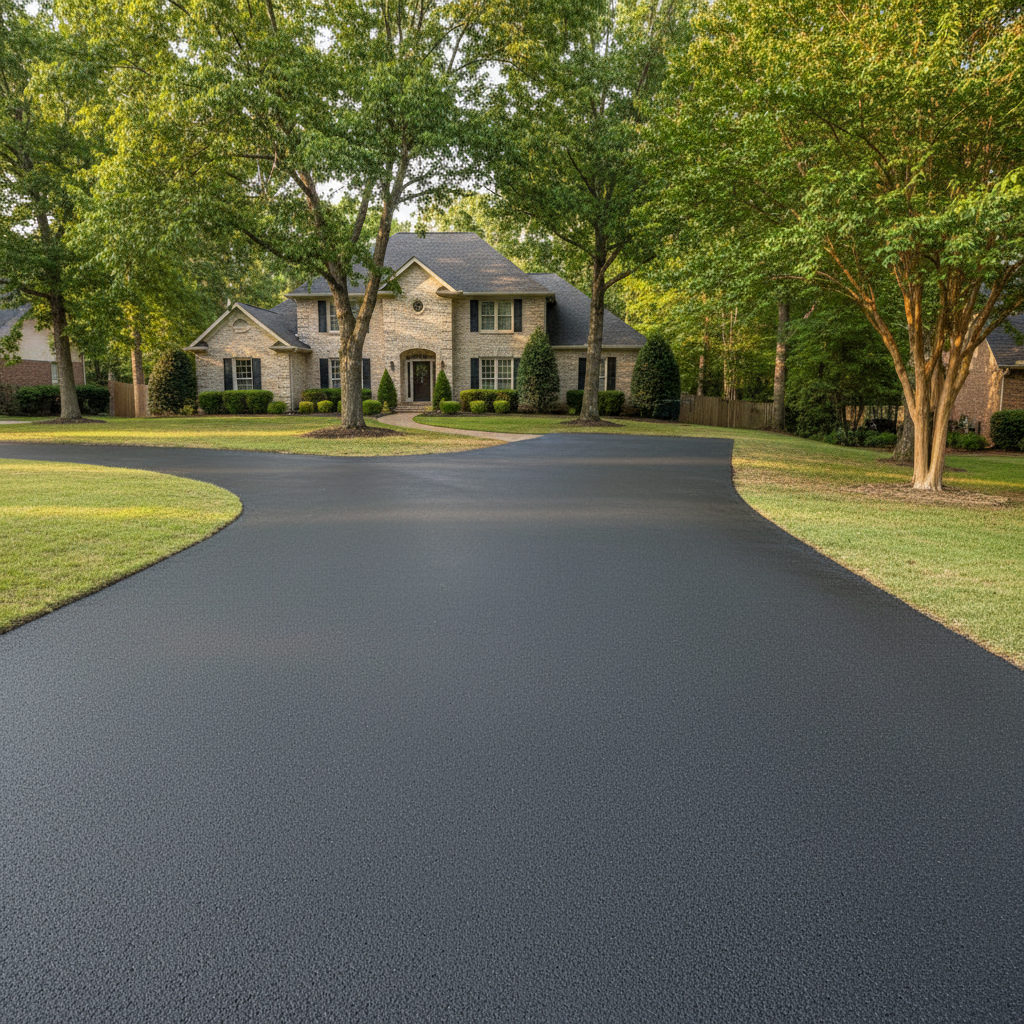
So, you've put money into a slurry coat for your parking lot or driveway. Good call, that. It's a fantastic way to protect your asphalt, give it a fresh, dark look, and make it last longer. But getting it done is really just the first step. Like anything else, a slurry coat needs a little TLC to truly go the distance, especially with our hot, humid summers and those occasional heavy downpours we get here in Tuscaloosa.
Making Your Slurry Coat Last Longer
You want that deep black finish and protective layer to stick around, right? The most important thing you can do is let it cure properly. We're talking a solid 24-48 hours, sometimes even more if it's really humid, before you drive on it. I know, waiting is tough, but driving on it too soon is just asking for trouble. You'll end up with tire marks, scuffs, and you'll mess up that protective bond. Trust me, I've seen this play out too many times.
After that initial cure, think about what's going on top of it. Heavy vehicles, sharp turns, and oil spills are the sworn enemies of any asphalt surface, and a slurry coat is no different. Try to keep heavy truck traffic away from areas meant only for cars. If you get a lot of delivery trucks, maybe set up specific spots for them. And if you spill oil or gas, clean it up fast. Don't let it just sit there and soak in; that stuff eats away at asphalt binders, and your slurry coat won't stand a chance.
Another thing that helps? Keeping it clean. Dirt, gravel, and other debris can act like sandpaper when cars drive over them, slowly wearing down that top layer. A quick sweep or blowing it off regularly can make a pretty big difference.
Regular Maintenance: What You Should Actually Do
Taking care of a slurry coat isn't rocket science, but it does mean being consistent. Here's what I tell people:
- Keep it Clean: Like I mentioned, sweep or blow off loose debris. Leaves, pine needles, and dirt can trap moisture against the surface, which isn't what you want.
- Clean Spills Right Away: Oil, gas, antifreeze – these are all bad news. Grab an absorbent material like cat litter or sawdust, let it soak, then sweep it up. Don't scrub it in with harsh chemicals; that can actually damage the slurry.
- Watch for Weeds: Any cracks, even tiny ones, are an open invitation for weeds to pop up. These little guys can grow and expand those cracks, eventually hurting your slurry coat and the asphalt underneath. Pull them out or use a weed killer made for paved surfaces.
- Check Drainage: Make sure water isn't pooling anywhere. Standing water, especially after our afternoon thunderstorms, is a real killer for asphalt. It can seep into tiny flaws, and with our freeze-thaw cycles (even if they're not as extreme as up north), that water can expand and cause damage. If you see persistent puddles, that's a sign something's not right.
Think of it like taking care of your car's paint job. A little regular cleaning and attention goes a long way in keeping it looking good and protected.
Warning Signs of Trouble
You're not a paving expert, and you don't need to be one. But you can learn to spot the early warning signs that your slurry coat might be having problems. Catching these early can save you a ton of money later on.
- Fading Color: Your slurry coat should be a nice, deep black. If it's starting to look gray or dull, that means the top layer is getting thin. It's losing its UV protection and its good looks.
- Aggregate Showing Through: If you start seeing the small stones (aggregate) from the asphalt underneath poking through the slurry, that's a clear sign of wear. The protective layer is gone in those spots.
- Hairline Cracks: A few tiny, isolated cracks might be normal over time, but if you see a network of fine cracks developing — often called 'alligator cracking' — that's a big red flag. It means the asphalt underneath is failing, and the slurry coat just can't hold it together anymore.
- Peeling or Flaking: This one's pretty obvious, isn't it? If the slurry coat is lifting, peeling, or flaking off in patches, it either wasn't properly bonded, or there's a serious problem with the surface it was put on.
- Potholes or Depressions: While a slurry coat offers protection, it's not meant to fix structural issues. If you're seeing new potholes or significant dips, the problem goes deeper than the slurry coat itself.
Don't ignore these things. They're like little alarms telling you something needs attention.
When to Call a Professional
Look, you can handle the sweeping and the spill clean-up. But there are times when you really need to bring in the pros. That's where folks like us at Premium Asphalt Paving come in.
You should definitely give us a call if you see:
- Widespread Fading or Aggregate Exposure: If it's more than just a small spot, it might be time for a fresh application of slurry or sealcoat. We can figure out if the existing coat has simply reached the end of its life.
- Significant Cracking: Especially alligator cracking. Slurry coats aren't designed to bridge big cracks. We'll need to repair the asphalt underneath first, then reapply the slurry. Trying to just put more slurry over bad cracks? That's a waste of money.
- Potholes or Structural Damage: If your pavement is getting potholes or showing signs of structural failure (like sinking areas), that's a job for professional asphalt repair. The slurry coat is just the surface; we need to fix what's underneath.
- Persistent Drainage Issues: If water keeps pooling, it might point to a grading problem that needs fixing. That's way beyond a simple DIY job.
- Any peeling or delamination: If the slurry isn't sticking, we need to figure out why. It could be how the surface was prepped, issues with the material, or other factors.
We're right here in Tuscaloosa, after all. We know the local conditions, the soil, and how our weather impacts asphalt. We can give you an honest assessment and tell you exactly what needs to be done, whether it's a simple re-coat or something more involved. Seriously, don't wait until a small issue turns into a big, expensive headache.