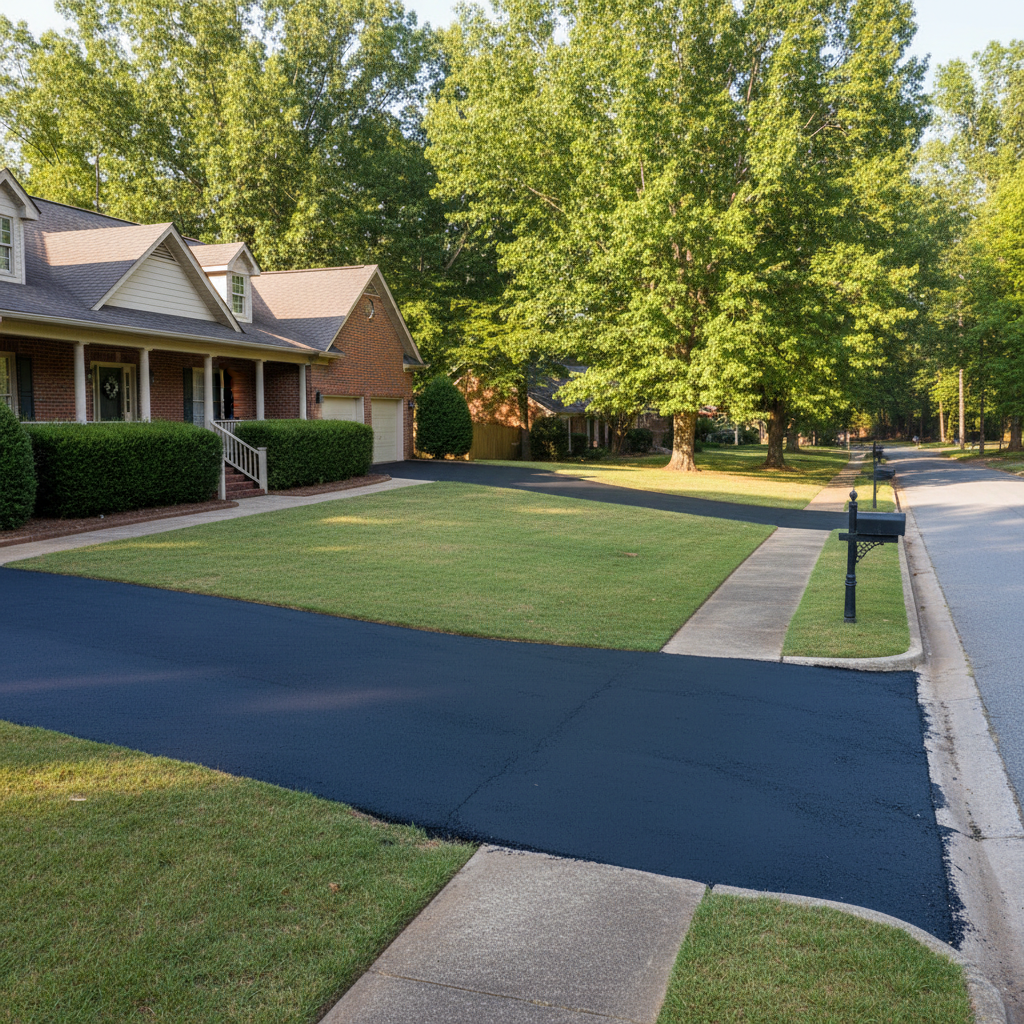
Is your asphalt looking a little tired? Maybe it's got some fine cracks, a faded color, or just seems to be losing its shine. You're not wrong to notice that. Our Alabama sun and heavy rains can be tough on pavement, and sometimes a simple sealcoat just won't cut it. But then again, you might not be quite ready for a full repave either. That's exactly where slurry coating comes in.
What Even Is Slurry Coating?
Alright, let's break it down. You've probably heard of sealcoating, right? That's a thin layer of protective material that goes over your asphalt. Well, slurry coating is kind of like sealcoating's tougher, thicker cousin. It's a mixture of asphalt emulsion, aggregates (like sand or fine gravel), water, and some other special additives. When we apply it, it creates a new, really durable surface layer right on top of your existing asphalt.
Think of it this way: sealcoating is like a fresh coat of paint. Slurry coating is more like putting down a new, thin layer of stucco, or maybe a really tough skin. It fills in those minor surface imperfections, seals small cracks, and brings back that dark, rich black color your pavement had when it was new. It's a fantastic way to rejuvenate aging asphalt without the expense and disruption of a complete tear-out and replacement. What a relief, right?
Why Tuscaloosa Pavement Needs It
You know how our weather is here in Tuscaloosa. We get those brutal summer days where the sun just bakes everything, and then we get those sudden, heavy thunderstorms that dump inches of rain in an hour. That constant expansion and contraction from temperature swings, plus the water seeping into every little crack, really takes a toll on asphalt. It causes it to oxidize, fade, and eventually break down.
Slurry coating acts as a sacrificial layer. It takes the brunt of that sun, rain, and traffic, protecting the underlying asphalt. For places like the older subdivisions near Alberta or the busy commercial lots off McFarland where the asphalt's been around for a while, a good slurry coat can add years of life. It makes a huge difference in appearance and how well the pavement actually works. It's a proactive maintenance step, and it saves you big money down the road.
Common Projects Where We Use Slurry
We see a lot of different projects around here that are perfect candidates for slurry coating. It's not usually for residential driveways – for those, a good sealcoat is typically enough unless it's really beat up and you're trying to stretch its life. Slurry is more for larger surfaces with moderate to heavy traffic.
- Parking Lots: This is a big one. Shopping centers, apartment complexes, office parks – their parking lots take a beating. Slurry coating not only protects the surface but also gives it a fresh, uniform look that makes the whole property seem better maintained. Plus, it makes restriping lines much cleaner and more visible.
- Private Roads & Access Ways: Think about the private roads in gated communities or the access roads for industrial parks. These often have a lot of traffic but aren't maintained by the city. Slurry coating keeps them smooth and durable.
- Sports Courts: Tennis courts, basketball courts – these need a smooth, consistent surface. Slurry coating can provide that, along with a fresh color.
- Pathway Systems: Walking paths and bike trails in parks or large campuses can benefit from the protective and aesthetic qualities of a slurry coat.
Before we even think about slurry coating, we'll always come out and assess your pavement. We'll fix any significant cracks, potholes, or soft spots first. You can't just slap slurry over major damage and expect it to hold up. The prep work is crucial, and it's something we at Premium Asphalt Paving take very seriously.
Why Local Expertise Matters for This Kind of Work
You might think asphalt is asphalt, and a contractor from anywhere can do the job. But that's just not true, especially with something like slurry coating. The mix design for slurry can vary based on local conditions – things like our specific aggregate availability, typical humidity levels, and average temperatures during application. A contractor from up north might not understand how fast a slurry mix can set up in our Alabama heat, or how to properly prepare a surface that's been exposed to our particular red clay dust.
We've been working with asphalt in Tuscaloosa for years now. We know the soil conditions, the drainage challenges, and exactly what kind of wear and tear our local climate inflicts on pavement. We've seen what works and what doesn't work right here in our own backyard. We know the best times of year to apply slurry for optimal curing and longevity, avoiding those surprise cold snaps or endless rainy spells.
Choosing a local contractor means you're getting someone who understands your specific needs and challenges, not just a generic solution. We're part of this community, and our reputation depends on doing good work for our neighbors. So, if you're looking at your asphalt and wondering if it's time for a facelift, give us a call. We'll tell you straight what your options are and if slurry coating is the right move for your property.